

PLOT POINTS
Our approach to reviews
Every Plot Points entry features three sections: Point, Plot, and Leap.
Point: The specific moment or element the review is examining. Described concretely. This is the thing that wouldn't let the writer go. Start here, in the room, in the work. The moment could be a single line, a prop, a sound cue. Or it could be a full monologue or set. This is the briefest section. It just plainly states what it is you’ll be discussing.
Plot: This section investigates what this element is doing and what the production was reaching for. The writer follows the thread — close reading, evidence, intention against execution. This is likely the longest section and where the bulk of criticism lives. The question is not whether the production succeeded but what it reveals in the attempt. Resist the reflexive turn toward judgment.
Leap: The last thing the writer says before stopping. The critic goes further than the evidence alone supports — a risk, a reach, a thought the piece has been building toward without announcing it. For example, content in The Leap may be a larger musing on the work. Or it could be a question you’re left with. The core focus here is to make your rhetorical leap. If you had 1500 more words to continue the review or line of thought, where would it take you?
If you’re looking for star ratings or more conventional reviews, please also support the journalism from other reviewing bodies in Chicago, such as:
What the Tapestry Covers
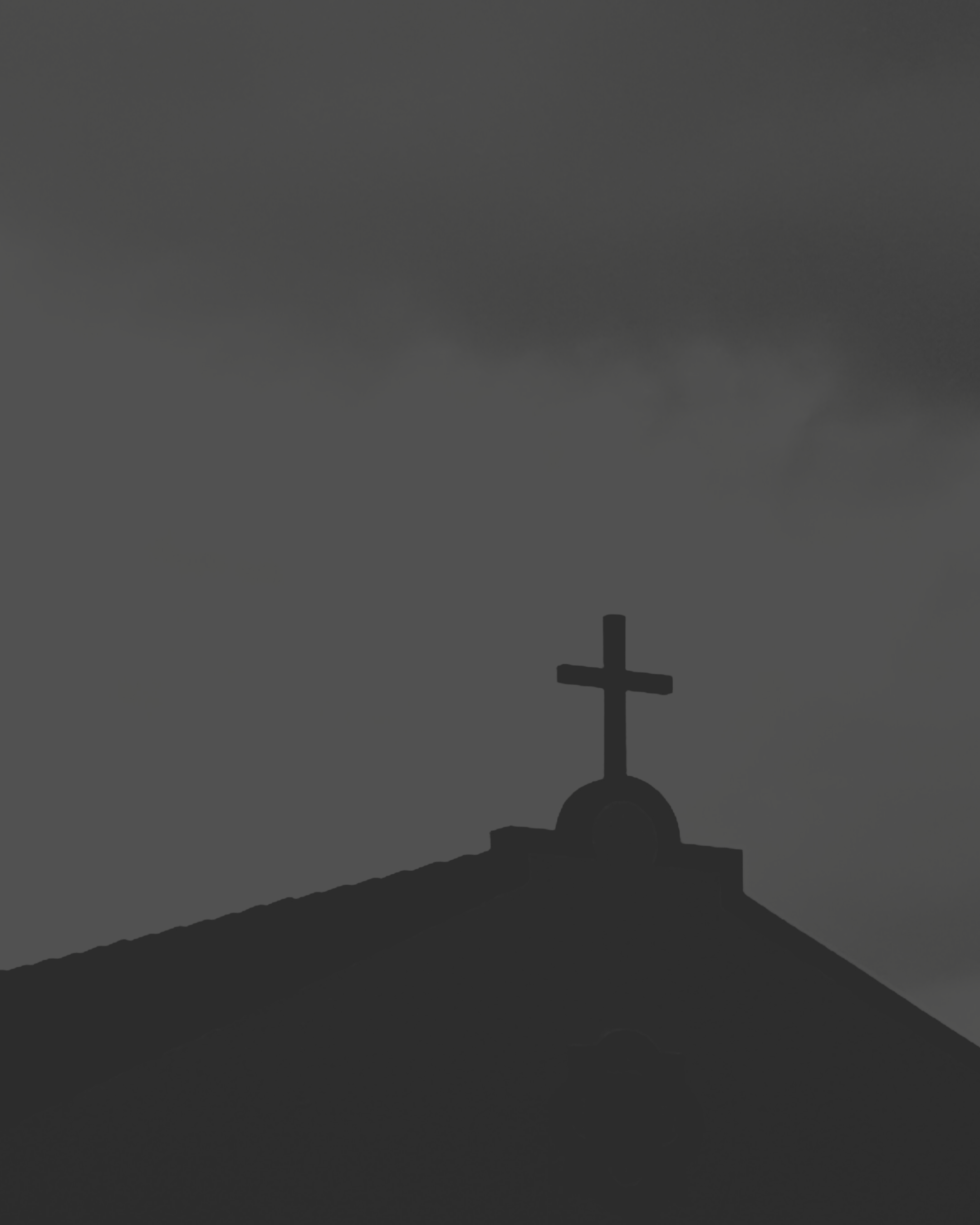
Church Hurt begins with a cross. As audience members find their seats, it sits above on an otherwise barren set and waits for the show to begin.

“How Much Is Your Life Worth to You?”
In Radical Futures, we’re presented with a cavalcade of musings — hallucinogenic and sober — on what life has to hold (and what it’s withheld).
Help isn’t on its way
Devised in the early 20th century to indicate distress at sea, the SOS symbol became shorthand culturally, in short time, for seeking reprieve in any calamity.